

Learn practical application of Continuous improvement methodologies (Kaizen) from real-world expertise. Optimize processes effectively.
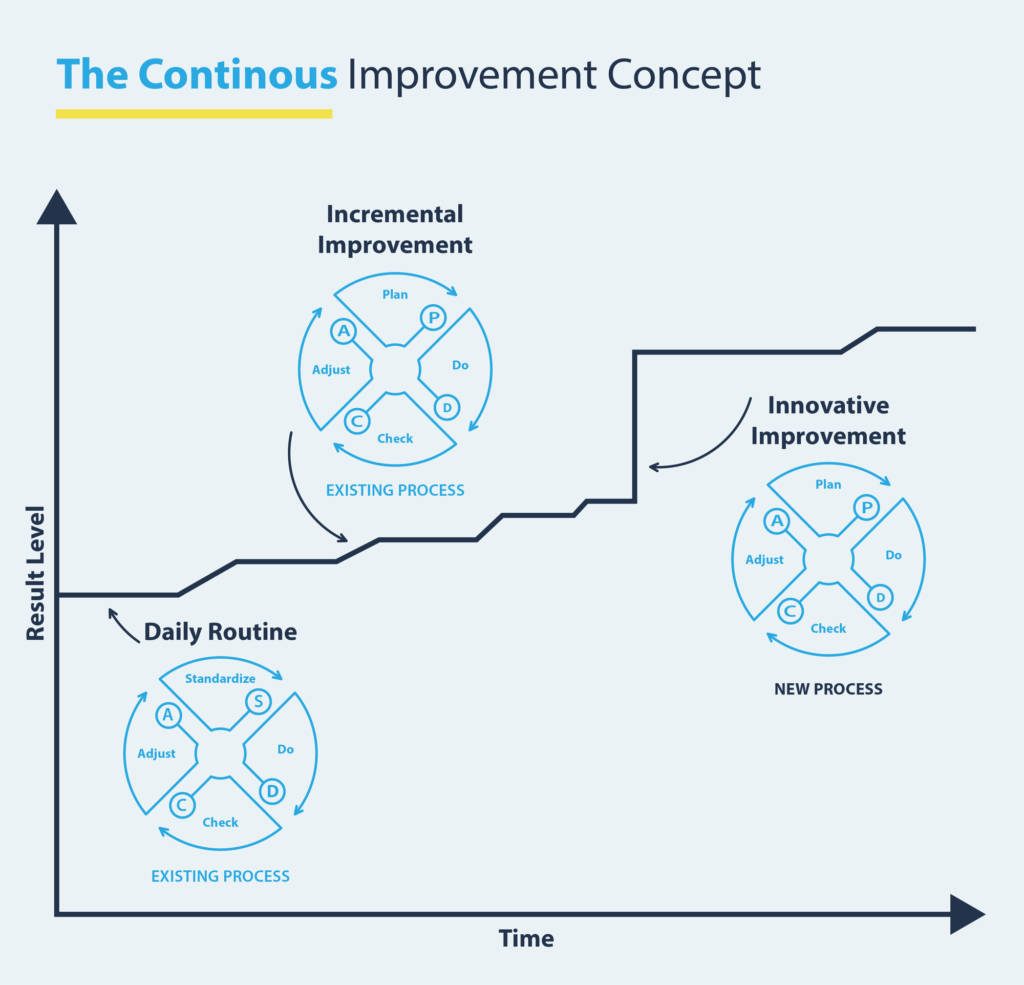
From years spent on plant floors and in service organizations, I’ve seen firsthand the power of consistent, small adjustments. Continuous improvement methodologies (Kaizen) isn’t just a buzzword. It’s a foundational philosophy that drives meaningful, lasting change. It focuses on eliminating waste and improving processes through small, incremental steps, rather than large, disruptive overhauls. This approach builds a culture where everyone contributes to betterment.
Overview
- Continuous improvement methodologies (Kaizen) emphasize ongoing, small, positive changes.
- It originated in Japan and is widely adopted across various industries globally.
- The core idea is to eliminate Muda (waste), Mura (unevenness), and Muri (overburden).
- Successful implementation requires strong leadership support and active employee involvement.
- Common challenges include resistance to change and viewing Kaizen as a short-term project.
- Sustaining Kaizen involves embedding it into daily routines and utilizing visual management.
- The principles apply equally well to manufacturing, service, and administrative processes.
- Benefits include improved efficiency, reduced costs, higher quality, and increased employee morale.
The Essence of Continuous improvement methodologies (Kaizen) in Practice
My journey into Continuous improvement methodologies (Kaizen) began in manufacturing. I quickly learned it was more than just tools; it was a mindset shift. The philosophy promotes a culture where every team member, from the CEO to the shop floor operator, actively seeks ways to improve their work. These improvements are often simple, low-cost, and immediately implementable.
The true strength of Kaizen lies in its emphasis on eliminating waste. We identify non-value-added activities, categorized as Muda (waste), Mura (unevenness), and Muri (overburden). A classic example is excessive waiting time in a production line or unnecessary steps in an administrative process. By targeting these, we streamline operations and free up resources. It’s about making work smarter, not harder.
Practical application often involves Gemba walks, where leaders and teams go to the actual workplace. This direct observation helps understand processes as they truly happen, not just as they are documented. From these walks, opportunities for small, impactful changes emerge. We encourage open communication and respect for every idea, fostering an environment where innovation thrives at all levels. This hands-on approach builds a deep understanding of operational realities.
Implementing Kaizen in Operations
Putting Kaizen into action demands a structured yet flexible approach. It typically starts with identifying a specific problem or an area for improvement. This might involve collecting data, observing processes, or simply listening to employee feedback. Once an area is chosen, a small team, often cross-functional, focuses on that issue. This team brainstorms potential solutions.
Solutions are usually tested on a small scale through rapid cycles, a concept often associated with Plan-Do-Check-Act (PDCA). This iterative process allows for quick learning and adjustment. If a solution works, it is standardized, meaning it becomes the new best practice. Training follows to ensure everyone understands the updated method. This standardization prevents backsliding and provides a baseline for future improvements.
Leadership plays a vital role here. Their commitment is crucial, not just in providing resources but in actively participating and championing the efforts. In many organizations across the US, I’ve observed that the most successful Kaizen implementations are those where leaders lead by example, frequently engaging with teams on the floor. This active involvement helps overcome initial skepticism and builds trust among employees.
Common Pitfalls and Success Factors in Continuous improvement methodologies (Kaizen)
One of the biggest pitfalls I’ve encountered is treating Continuous improvement methodologies (Kaizen) as a one-time project. It’s not a program with a start and end date; it’s a perpetual journey. Organizations often kick off initiatives with enthusiasm, but without sustained effort and leadership engagement, momentum fades. Another challenge is resistance to change, even when the change is for the better. People are naturally comfortable with existing routines.
Success hinges on several key factors. First, strong, visible leadership commitment is paramount. Leaders must advocate for Kaizen and allocate time and resources. Second, employee engagement is critical. When staff feel heard and empowered to implement their ideas, they become invested in the process. Training in basic problem-solving tools also equips them for effective participation.
Third, a focus on data and facts prevents subjective decision-making. We use simple metrics to measure improvements and ensure changes are genuinely beneficial. Finally, recognizing and celebrating small wins reinforces positive behaviors. This encourages ongoing participation and builds confidence. Ignoring these elements can turn a powerful methodology into a forgotten initiative.
Sustaining Momentum with Continuous improvement methodologies (Kaizen)
Making Continuous improvement methodologies (Kaizen) a daily habit is the ultimate goal. This involves embedding the principles into the organizational culture and routines. Visual management tools are incredibly effective here. Dashboards, performance boards, and color-coded systems provide immediate feedback on progress and highlight areas needing attention. Everyone can see how their work contributes to overall goals.
Regular review meetings, often short and focused, help maintain discipline. These stand-up meetings allow teams to share their improvement ideas, report on progress, and identify new opportunities. This consistent communication loop keeps the focus on betterment. It also helps in quickly addressing any issues or obstacles that arise during the implementation of changes.
Empowering employees through continuous training and development ensures they have the skills and confidence to contribute effectively. This includes training in tools like 5S, Standard Work, and Root Cause Analysis. When employees feel capable and supported, their motivation to innovate and improve remains high. This continuous learning fosters a dynamic, adaptable workforce ready for future challenges.


